

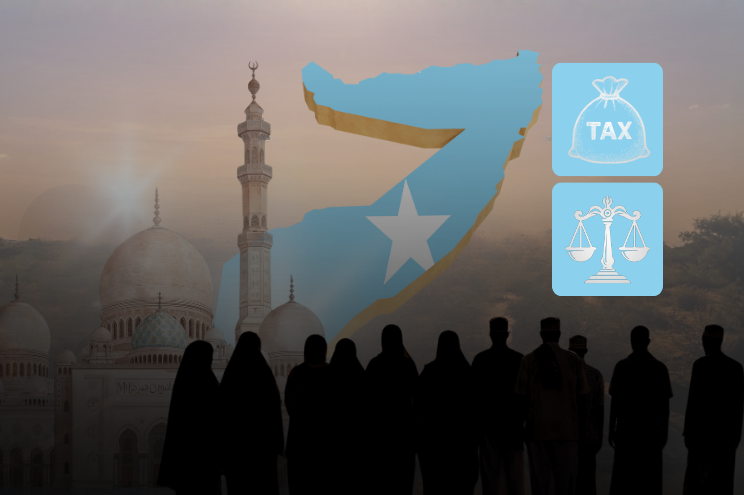
This study explored how religious interpretation, societal cultural norms, trust in government, colonial experiences, and perception of tax fairness influence tax compliance in Somalia. The study found that religious interpretations influence tax compliance. Furthermore, cultural and social norms shape taxpayers’ attitudes towards taxes. Finally, the findings show that historical legacies, distrust in taxation authorities, and unfair treatment also contribute to low levels of voluntary tax compliance.
The study findings suggest that both the federal and state levels in Somalia need to rebuild taxpayers’ trust in tax collection authorities. They also need to ensure equitable and fair tax application and match tax policies and laws with cultural and religious values as prerequisites for improving tax compliance. Addressing these issues requires not only legal and institutional reforms but also deliberate engagement with Somali communities, businesspeople, and religious scholars. Without these steps, taxation and those working in tax authorities will continue to be viewed as coercive extraction rather than a shared civic duty, which undermines both state legitimacy and sustainable revenue generation.
Dynamics of Taxation: Religious, Cultural, and Social Factors Influencing Tax Compliance in Somalia
SPA_Research_Report_No_21

Research Consultant
Share This:


Stay updated on governance and public services in Somalia!
Somali Public Agenda (SPA) is a non-profit, non-partisan, and independent public policy and administration research and action organization based in Mogadishu. It aims to advance understanding and improvement of public policy and services in Somalia through evidence-based research and analysis, dialogue, policy and service design, and training.
Stay updated on governance and public services in Somalia!