The End of UNTMIS and the Unfinished Business of State-Building in Somalia

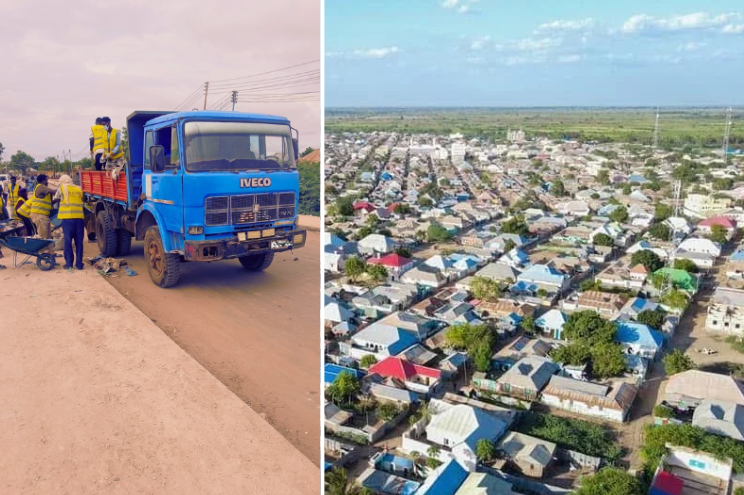
  • Low trust and negative perceptions of the Adado local government—driven by limited transparency, unfulfilled promises, and weak communication—undermine tax compliance among businesspeople.
  • Successive UN missions supported reconciliation, federalism, state formation, constitutional development, elections, human rights and political transitions. However, Somalia continues to face unresolved disputes over constitutional authority, power-sharing, fiscal federalism, elections and security.
  • The National Consultative Council (NCC) facilitated negotiations among federal and state leaders, but its effectiveness has depended on political participation, consensus and implementation. UNTMIS’s closure has created a gap in mediation and preventive diplomacy, particularly when Somali leaders struggle to resolve disputes through dialogue.
  • The transition also raises concerns about continuity in human rights monitoring, civilian protection and inclusive political participation. Addressing these challenges requires stronger Somali political leadership, capable institutions, credible dialogue mechanisms and coordinated international support.

The End of UNTMIS and the Unfinished Business of State-Building in Somalia

SPA_Governance_Briefs_55_2026_ENGLISH

Share This:
Picture of Somali Public Agenda

Somali Public Agenda

Somali Public Agenda is a non-partisan and non-profit public policy and administration research organization based in Mogadishu.
Leave a Reply

Your email address will not be published. Required fields are marked *

Title
.