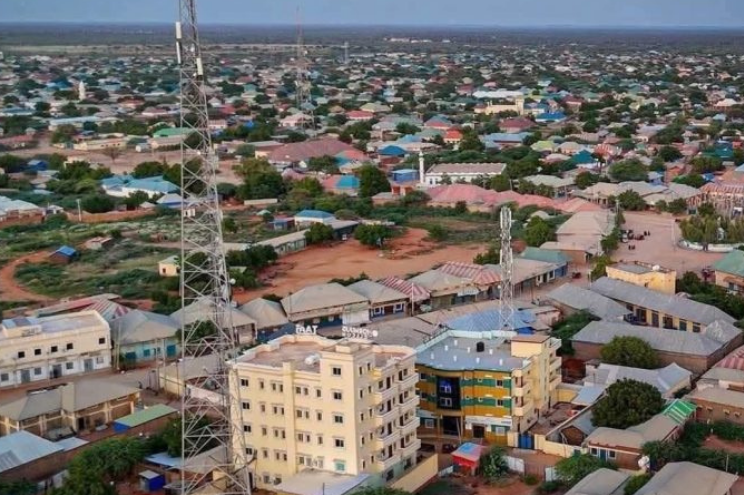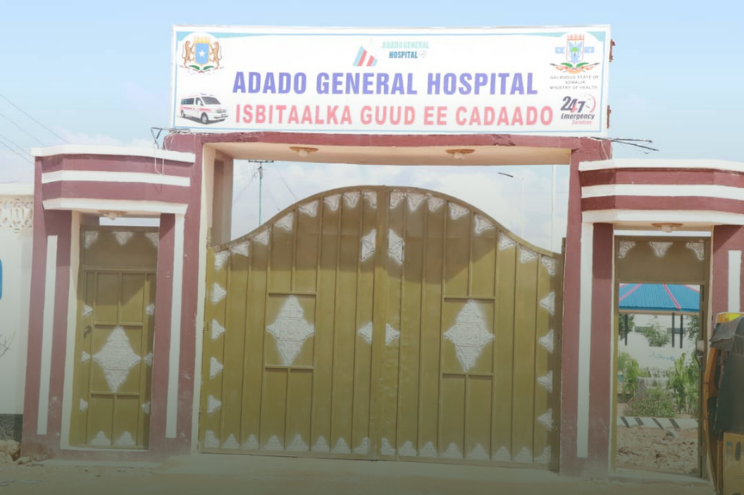

More than a decade into the implementation of Somalia’s federal project, aspirations to decentralize fiscal and service delivery powers to local governments remain unrealized. Similarly, the federal project has yet to yield meaningful citizen participation and accountability at the state and local government levels that could improve governance. Notably, limited citizen participation and accountability at the local government level have widened the disconnect between citizens and their local governments, undermining people’s trust in and the legitimacy of local authorities.
Local governments collect revenue from a limited number of active sources, despite the wider range of sources that their respective state Local Government Acts authorize them to tax. As a result, they generate insignificant monthly income from these currently active revenue streams. This income has also fluctuated for reasons related to, but not limited to, clan conflicts and prolonged droughts.
Although local governments reported having limited annual budgets approved through their local councils, citizens reported having no knowledge of the existence of a budget for their respective local governments. This underscores the limited transparency of local governments and the limited participation of citizens in local governance.
Local government mayors reported that they provide limited services, mainly because revenue generation remains insufficient to cover even their operational costs, let alone service provision. They also cited the continued centralization of fiscal and service delivery powers in the hands of regional state governments, despite public pledges by state authorities—yet to materialize—to address this issue and gradually enable local governments to assume their core responsibilities.
Mayors admitted that they rarely engage local citizens in critical decision-making processes, leaving citizens unaware of decisions made on their behalf. Similarly, citizens noted that they rarely have opportunities to engage with their local governments on matters of local governance.
Local governments face a range of challenges that impede their effective functioning , including insecurity and clan conflicts, limited public awareness, limited collaboration with businesspeople, low revenue, lack of fiscal transfers from state governments, and high public expectations that exceed local governments’ financial capacity to deal with issues such as poor sanitation and waste management, rainwater stagnation, and inadequate street lighting.
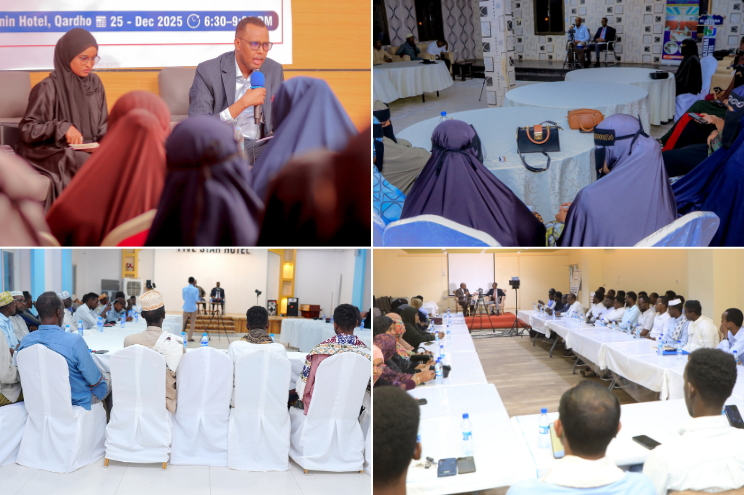
This policy paper synthesizes the key findings from four dialogue forums that Somalia Public Agenda (SPA) held with local governments across Galmudug and Puntland—Dhusamareb and South Galkacyo in Galmudug, and Qardho and North Galkacyo in Puntland—between 20 December 2025 and 12 May 2026. The forums sought to strengthen citizen participation in local governance, particularly in a context where opportunities for direct engagement between citizens and local authorities remain limited.
Bridging Citizens and Local Governments: Lessons from Governance Dialogues in Galmudug and Puntland
SPA_Policy_Paper_14_2026_ENGLISH
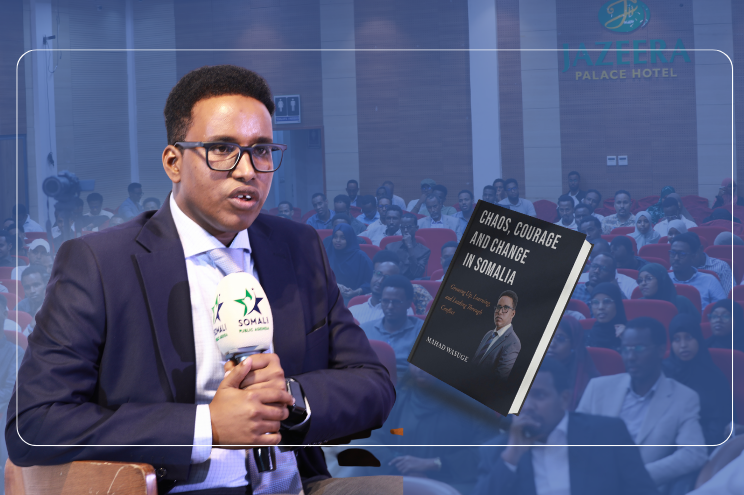
Farhan Isak Yusuf is the Deputy Executive Director and Research Director at Somali
Public Agenda.
Share This:



Stay updated on governance and public services in Somalia!
Somali Public Agenda (SPA) is a non-profit, non-partisan, and independent public policy and administration research and action organization based in Mogadishu. It aims to advance understanding and improvement of public policy and services in Somalia through evidence-based research and analysis, dialogue, policy and service design, and training.
Stay updated on governance and public services in Somalia!